
Residential development site sold in Alfreton
Major plans for redevelopment of Billing Aquadrome

West Northamptonshire Council has received a multi-phase planning application for the extensive redevelopment of Billing Aquadrome in Northampton. The proposals outline a reduction in static caravans from 3,104 to 2,245 units and include demolition, new construction, and infrastructure upgrades across the site.
Phase One covers the demolition of several single-storey buildings, a toilet block, and existing plant equipment, alongside internal and external alterations to guest and maintenance facilities. The plan also includes the construction of new residential, holiday sales, and reception buildings, stationing 110 static caravans for permanent use, and upgrades to roads, footpaths, parking, drainage, flood mitigation, and landscaping.
The remainder of the site is proposed for 886 static residential caravans, 1,223 holiday units, 26 floating lodges, and areas for touring caravans and tents. Outline plans cover additional reconfigurations, including raised pontoon access for boats, new lake infrastructure, and refurbishment of family entertainment facilities with restaurant and outdoor seating. Extensions to the swimming pool are also included.
The proposals represent a major investment in site reconfiguration, residential and holiday accommodation expansion, and improved leisure and infrastructure facilities.
University of Northampton secures Small Business Charter accreditation
The Faculty of Business and Law at the University of Northampton has been awarded the Small Business Charter accreditation for three years. The recognition highlights the Faculty’s contribution to supporting entrepreneurship and small business growth in Northamptonshire and the surrounding region.
Assessment for the accreditation focused on impact within the local business community, cross-disciplinary collaboration, and initiatives that deliver real-world benefits for SMEs. In 2023/24, the university contributed £366 million in gross value added to the regional economy and supported more than 5,400 jobs.
The Small Business Charter, overseen by small business leaders and the Chartered Association of Business Schools, identifies business schools that demonstrate excellence in student enterprise, entrepreneurship, and local economic engagement. There are currently 68 accredited business schools across the UK and Ireland.
Henry Brothers
KPMG Midlands team steps up to raise £25,000 for FareShare

Navigator Tissue UK reveals Leicester relocation plans
Just two days to go until nominations close for the East Midlands Bricks Awards 2025!
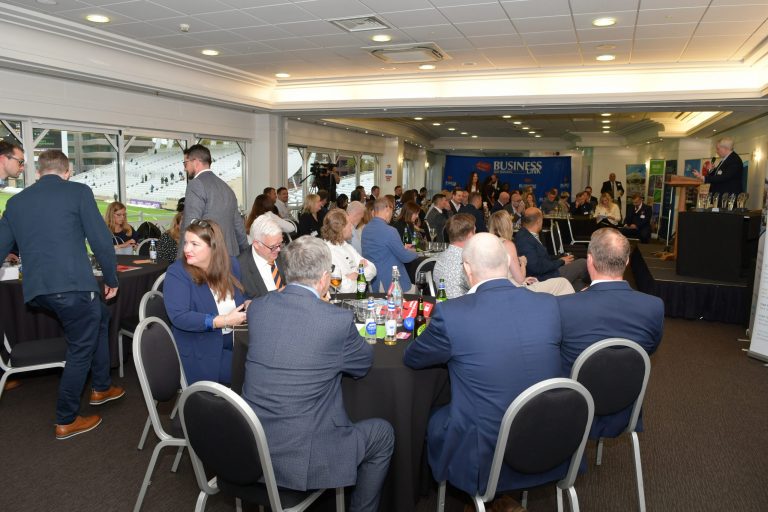
To make a nomination for the East Midlands Bricks Awards 2025, please click here, or on the category headings below.
Categories include:- Contractor of the Year
- Developer of the Year
- Architects of the Year
- Most Active Agent
- Deal of the Year
- Residential Development of the Year
- Sustainable Development of the Year
- Commercial Development of the Year
- Excellence in Design
- Responsible Business of the Year
- Overall Winner
Nominations will close on Friday 15th August.
Matthew Montague Architects, winner of Architects of the Year at last year’s event, shared: “Winning a Bricks Award was a real highlight for our team. It’s a great feeling to have your work recognised by others in the industry — and the event itself is such a positive celebration of what’s being achieved across the region. We’d absolutely encourage others to put themselves forward.”The East Midlands Bricks Awards 2025
What: The East Midlands Bricks Awards 2025 When: Thursday 2nd October (4.30pm – 7.30pm) Where: Derek Randall Suite, Trent Bridge Cricket Ground, Nottingham Keynote speaker: Councillor Nadine Peatfield – Leader of Derby City Council, Cabinet Member for City Centre, Regeneration, Strategy and Policy, and Deputy Mayor of the East Midlands Tickets: Available here Dress code: Standard business attire Thanks to our sponsors:








To be held at:
Alstom Derby-based operations see profits plunge as turnover and orders fall

Alstom’s Derby-based business reported a significant drop in pre-tax profit to £21.9 million for the year ending 31 March 2025, down from £121 million the previous year. Revenue declined to £555.4 million from £672.8 million, reversing earlier growth trends.
Order intake fell to £164.4 million from £181.9 million, while dividend payouts were sharply reduced from £210 million to £30 million.
As a major supplier to the UK and Irish rail sectors, Alstom manufactures trains at several sites including Derby, Widnes, Crewe, Ilford, and Plymouth. The company is responsible for about 40% of the UK mainline train fleet and supplies complete fleets for London Underground and Dublin Luas. Key customers include Avanti West Coast and Greater Anglia.
The broader Alstom group recorded global sales of €18.5 billion and EBIT of €1.1 billion during the same period.
The financial results were affected by revised contract profitability assessments and changes to assumptions about the length of long-term maintenance contracts. Alstom noted that order volumes naturally vary year-on-year due to the size and duration of its contracts.
These results come after Alstom announced plans in March 2024 to launch its own passenger rail service in the UK.
Shoe Zone halves profit expectations
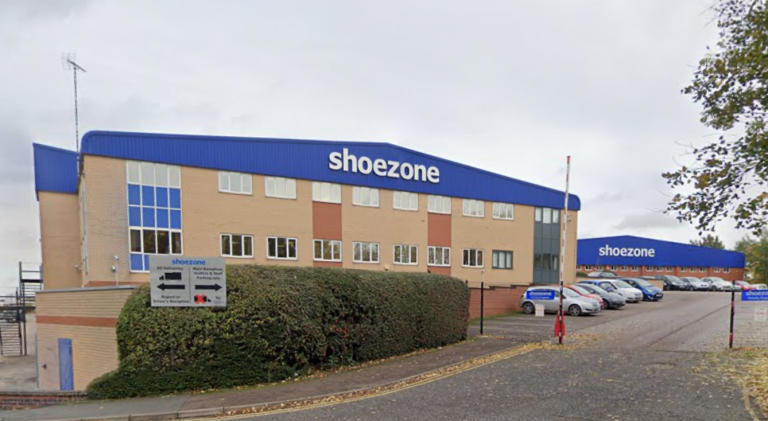
Shoe Zone has cut its profit expectations for the year amidst “challenging trading conditions.”
It comes as the company announced that in June and July (2025) it experienced a further weakening in consumer confidence – which has continued following the Government’s October 2024 budget announcement. The firm has also seen less discretionary spend, with the continued impact of inflation, interest rates and higher savings rates.
All of these have decreased footfall, with a reduction in revenue and profit as a result.
Shoe Zone now expects adjusted profit before tax for the financial year ended 27 September 2025 to be approximately £2.5m, down from previous expectations of £5m. In addition the company is withdrawing its current dividend policy.
Management, however, said they remain confident with the underlying strategy, with the 200th new format store opening this month. The company remains debt free and confident in its cash management, with cash levels currently higher than the same period last year.
Nottingham learning tech company acquires employee hub